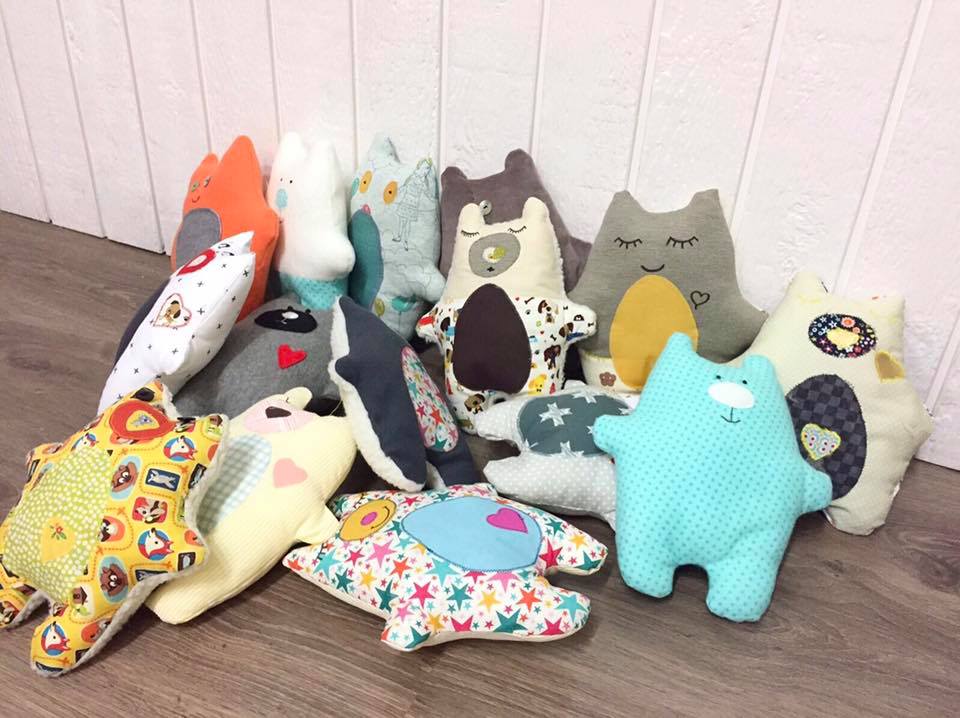
Have you ever thought about everything you’re really doing when you choose responsible sewing? When, instead of being a mindless consumer, you decide to make your own clothes? Every so often, we like to write one of these posts to think a little about the meaning behind what we do. Today’s post was inevitable after seeing how wholeheartedly you embraced charity sewing during the charity bears workshop.
Solidarity with the most vulnerable, with those who most need protection, can take many forms. The teddy bears you helped us make for Syrian refugee children were one way. But another much more effective one is conscious and responsible consumption.
There is a lot to fix in this world, and the truth is that, as consumers, we have tremendous power. We can decide what we want and make it perfectly clear that there are systems we are not willing to take part in.
Responsible sewing instead of rampant consumerismResponsible sewing, what we do here, is a creative alternative that lets us know exactly where the garment we’re wearing comes from. A few years ago, while working as a teacher with children between the ages of 10 and 12, I remember telling them the story of Iqbal Masih. I remember their horrified faces and the way they looked at their brand-name clothes—Nike, Adidas, Reebok…—knowing that they had been made under conditions of slavery by children their age and even younger.
Then I told them the same thing: that they had the power to decide whether they wanted to take part in keeping things the same or not.
I don’t know what happened next, or whether that stayed in any of their hearts for more than a couple of days. But at least I know that now they can choose. Just like you. Buy or create what you and your children wear with a guarantee of fairness and responsibility, or continue feeding child exploitation and other horrors.
That’s why the DIY movement is a tool for change, and why responsible sewing is a way to take some control in this society of consumption that is so crazy and so ruthless.
Doesn’t every garment you’ve made with your own hands seem much more beautiful to you now? Doesn’t it feel beautiful on a deeper level?
Don’t stop believing! Don’t stop creating!