
Haro Bag
Sew a compact bag with two zippered compartments, an open center space, an interior pocket, and a customizable flap. An ideal project for learning to work with structured fabrics and creating a practical accessory for carrying the essentials.
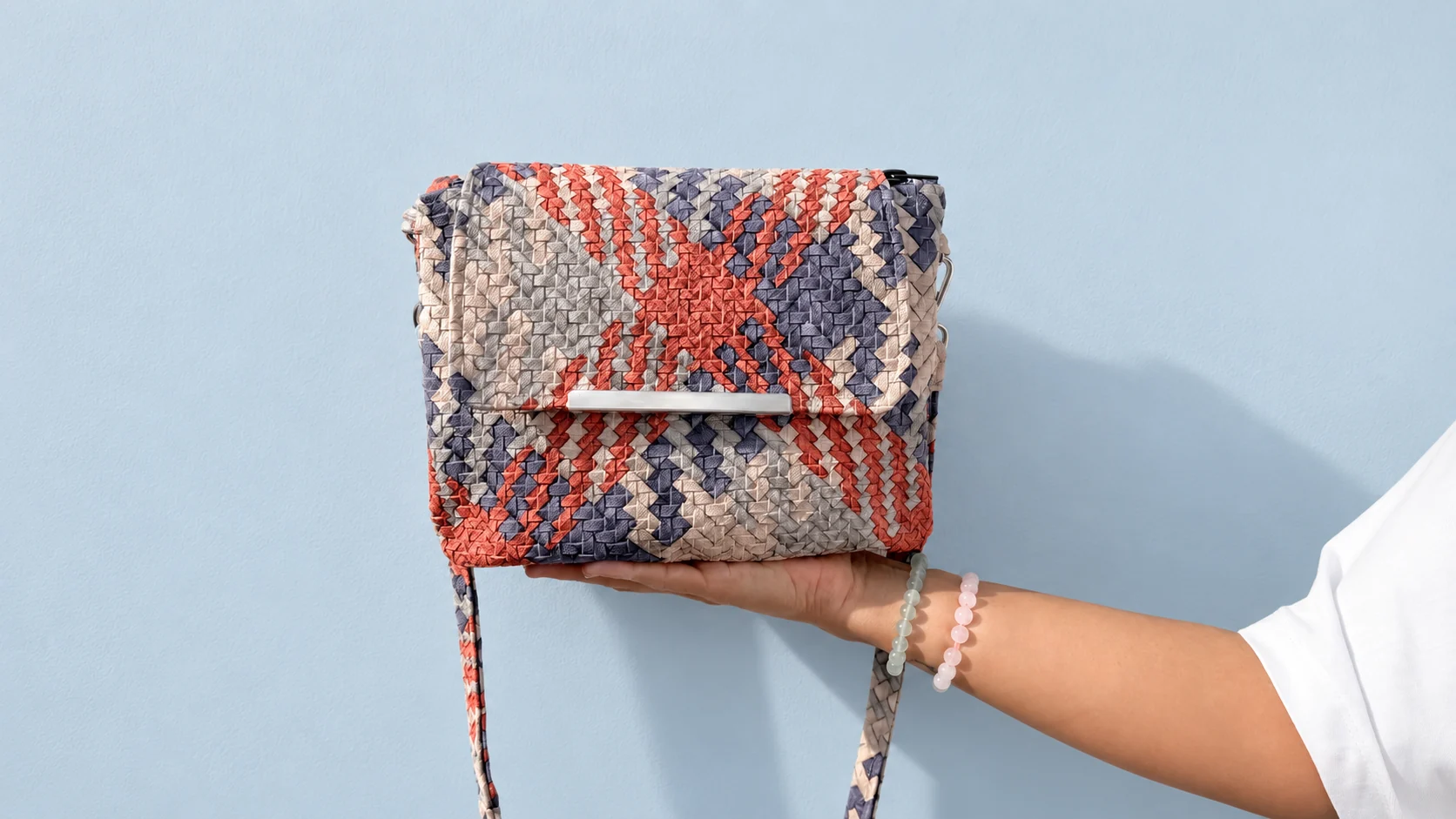
Video class
This video is for members
Join Lulu Ferris to watch the complete class and sew along at your own pace.
A compact bag with smart organization
The Haro Bag is designed to keep your basics well organized: two zippered compartments, a quick-access center space, and an interior pocket that helps separate small items.
It is an unlined bag, designed for fabrics that already have body. The flap adds presence and security, and can become a functional closure or remain a decorative detail, depending on the style you want to give it.
What you’ll learn
- Construct a bag with multiple compartments, combining zippered closed areas with an open center compartment.
- Insert zippers in a structured accessory, paying attention to orientation, bulk, and finish.
- Work with faux leather, neoprene, softshell, or other structured fabrics.
- Prepare a clean flap with the option of decorative topstitching.
- Add a simple interior pocket to improve the bag’s organization.
- Integrate tabs, swivel hooks, and a handle or strap, considering when a fixed, adjustable, or interchangeable strap is best.
- Handle curves and bulky areas to achieve a more polished result.
Recommended fabrics and notions
The Haro Bag is designed for structured fabrics that do not need a lining, such as faux leather, neoprene, softshell, or similar materials. Your fabric choice affects both the sewing experience and the final shape of the bag.
The pattern lists 50 cm of outer fabric with a minimum width of 140 cm. You’ll also need zippers, strap material, and hardware such as swivel hooks, strap anchors, and a slider if you choose an adjustable version.
Variations and styling choices
The class lets you adapt the bag to your own style. You can make the strap with the same fabric, with backpack webbing, or use a chain; you can also approach it as a clutch if you prefer to do without a long strap.
The flap allows for different choices: a decorative closure, a click-style closure, magnetic snaps, or no additional closure. If you want to go further, we discuss how to approach a version with lining, batting, quilting, or more polished interior finishes.
Finished size and capacity
The Haro Bag finishes at approximately 24 cm wide, 19 cm high, and 4 cm deep. It is compact and suited to everyday essentials like a phone, small wallet, keys, and the items you want close at hand.
Its organization makes the size especially useful: two zippered compartments for secure storage, an open center for quick access, and an inner pocket to help keep smaller things in place.
What’s included in the class
With access to the class, you’ll watch the full video lesson and see the important decisions explained as the bag is sewn: fabric choice, bulk management, zippers, flap, strap, and closure options.
The class includes a downloadable home-printing pattern in A4/Letter format, with the bag pieces plus essential information on materials, fabric requirements, and approximate finished size.
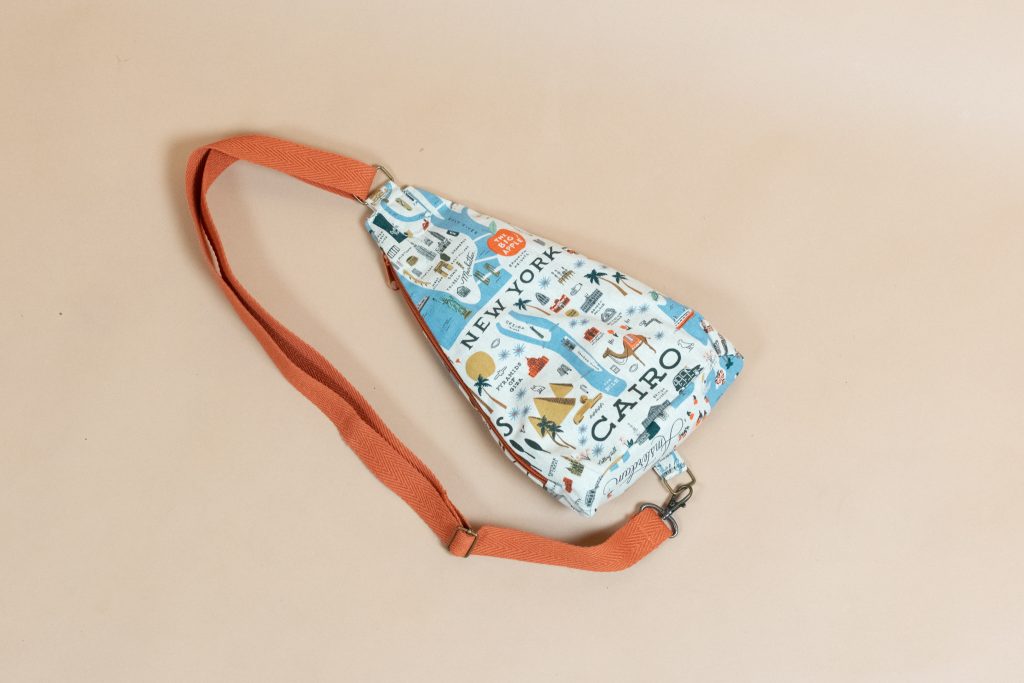 Metro Crossbody Bag
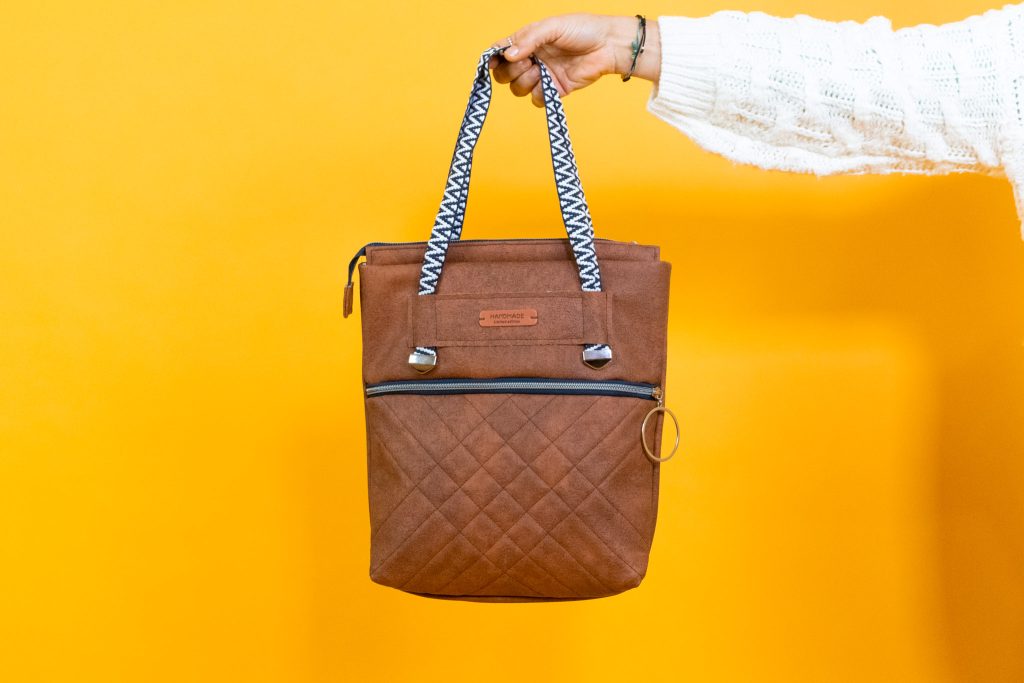 Ruby Bag